Smaller Compost Animals You May See
for the Smaller Compost Animals Science Project
The smaller compost animals that you can spot with a magnifying glass and examine more closely with a microscope generally have three important roles:
- they break down larger materials into soil-size particles
- they control the bacteria and fungi populations by eating them
- they help spread microorganisms through the heap by leaving behind the ones they can't digest and providing "rides" to others
Mites are animals that you might see with a microscope that magnifies an image to appear 100 times as large as it really is. Mites are:
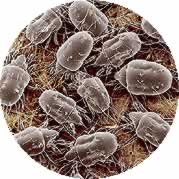 |
There are many species of mites. One of the largest mites is the tick. The mites found in compost are usually smaller than ticks. They look like tiny specks of dust until you look through a microscope. |
Some mites eat dead plants and fungi, while others prefer other compost animals, including other mites.
Here are a few other compost animals that you might be able to spot:
| Name: | Approx. length: | Look like miniature: |
| Enchytraeids, also called potworms or white worms | 1/3 to 2 inches | Earthworms, have body rings |
| Baby isopods | Less than 1/3 inch | Isopods, but white |
| Beetle mites | 1/32 inch | Beetles |
| Nematodes | Less than 1/32 inch | Eels - pointed ends, no rings |
©2010 Courseware Solutions Inc. www.worksheetsPlus.com
More Worksheets and Lesson Plans at worksheetsPlus.com
Observe and identify compost animals
Observing leaf decomposition in a compost pile
3R's TV Plot Outline Lesson Plan
Writing a 3R's TV Script
Help the earth and change a bad habit
Hazardous Waste Events Chain